
The Hamer Bull Jumping Ceremony: A Unique Cultural Tradition of Ethiopia
Discover the Hamer bull-jumping ceremony in South Omo, Ethiopia, and learn about its cultural significance, traditions, and community celebrations.
Temu Travel Ethiopia
Temu Travel Ethiopia is a local tour guide in Ethiopia, specializing in cultural experiences and photography tours in the South Omo Valley. Through Temu Travel Ethiopia, he helps visitors discover Ethiopia's rich traditions, beautiful landscapes, and diverse communities.
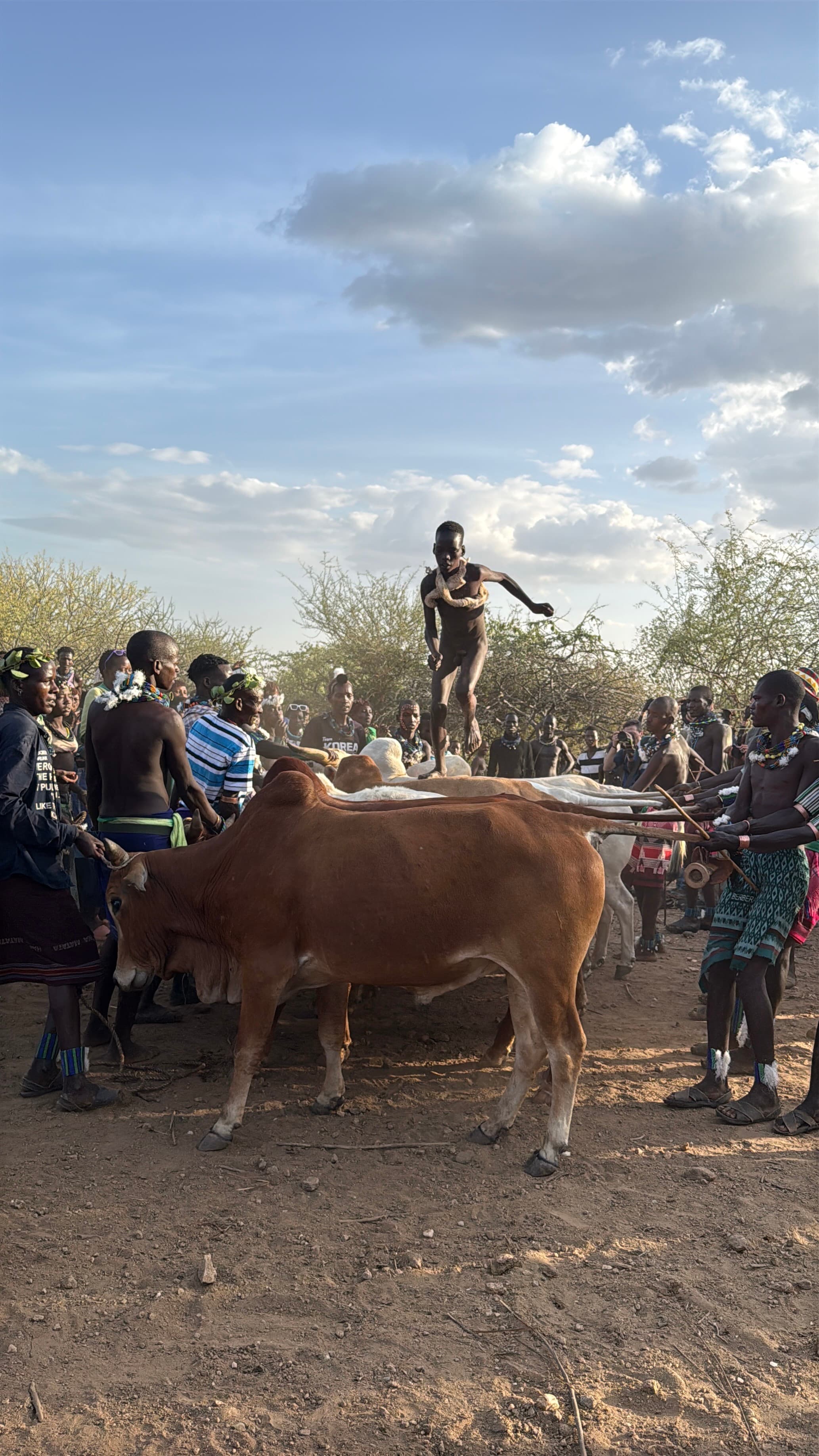
The Hamer Bull Jumping Ceremony: A Unique Cultural Tradition of Ethiopia
Deep in the beautiful South Omo Valley of southern Ethiopia, the Hamer people preserve a remarkable cultural tradition known as the bull-jumping ceremony. This important community event is connected with the transition of a young man into adulthood and his readiness to take on greater responsibilities within his community.
Who Are the Hamer People?
The Hamer are one of the Indigenous communities of South Omo Valley, Ethiopia. They are known for their distinctive cultural traditions, colorful clothing, hairstyles, beadwork, ceremonies, and strong community relationships. Many Hamer people live around Turmi and nearby villages, where traditional ways of life remain an important part of their identity.
What Is the Bull Jumping Ceremony?
The Hamer bull-jumping ceremony is a traditional rite of passage. During the ceremony, a young man attempts to run across the backs of a line of cattle without falling. Successfully completing this challenge traditionally marks an important step toward adulthood and the responsibilities expected of him.
The event is not simply a physical challenge. It brings together relatives, friends, and community members to witness an important moment in the young man's life. The ceremony may include traditional singing, dancing, and other customary activities.
Traditional Clothing, Music, and Celebration
During the celebration, participants may wear traditional clothing, decorative beads, and other cultural ornaments. Singing, rhythmic movements, and dancing create a lively atmosphere as family members and community members gather for the occasion.
Each participant has a place within the celebration, and the event reflects the community's cultural values, social relationships, and traditions passed from one generation to another.
Where Can You Experience the Ceremony?
The Hamer community lives in the Turmi area and surrounding parts of South Omo Valley. Visitors traveling through this region may have an opportunity to attend a bull-jumping ceremony when a local family organizes one.
However, ceremonies do not take place every day, and the dates are not always announced in advance. Travelers should check with a knowledgeable local guide before planning their visit. If no ceremony is scheduled, visitors can still learn about Hamer culture through respectful village visits and other cultural experiences arranged with the community.
Responsible Cultural Tourism
Visiting the Hamer people offers an opportunity to learn about a living culture rather than simply observe a performance. Visitors should ask permission before taking photographs, respect personal boundaries, follow local guidance, and remember that ceremonies are meaningful community events.
Responsible tourism helps create positive connections between visitors and local communities while respecting their traditions and dignity.
Explore South Omo Valley with Temu Travel Ethiopia
Are you planning to discover the cultural diversity of southern Ethiopia? Temu Travel Ethiopia can help you explore South Omo Valley, meet local communities respectfully, visit traditional villages and markets, and learn more about the region's fascinating cultural heritage.
Depending on your travel dates and local arrangements, your journey may include an opportunity to witness a Hamer bull-jumping ceremony.
Plan your South Omo Valley adventure with Temu Travel Ethiopia.
Website:www.temutravelethiopia.com
Email: temutravelethiopia@gmail.com
WhatsApp: +251961634259
Come to South Omo Valley to discover its people, traditions, landscapes, and remarkable cultural heritage.
Comments (0)
Login to join the discussion