
Meeting the Tribes of Ethiopia's Omo Valley: A Cultural Journey
Immerse yourself in the ancient traditions of Ethiopia's Omo Valley. Learn about the Hamar, Mursi, Karo, and other indigenous tribes who have preserved their unique cultures for centuries.

Temu Travel Ethiopia
Temu Travel Ethiopia is a professional local tour operator based in Arba Minch, with over 10 years of experience guiding travelers through the Omo Valley. Our team speaks multiple tribal languages and is passionate about preserving indigenous cultures.
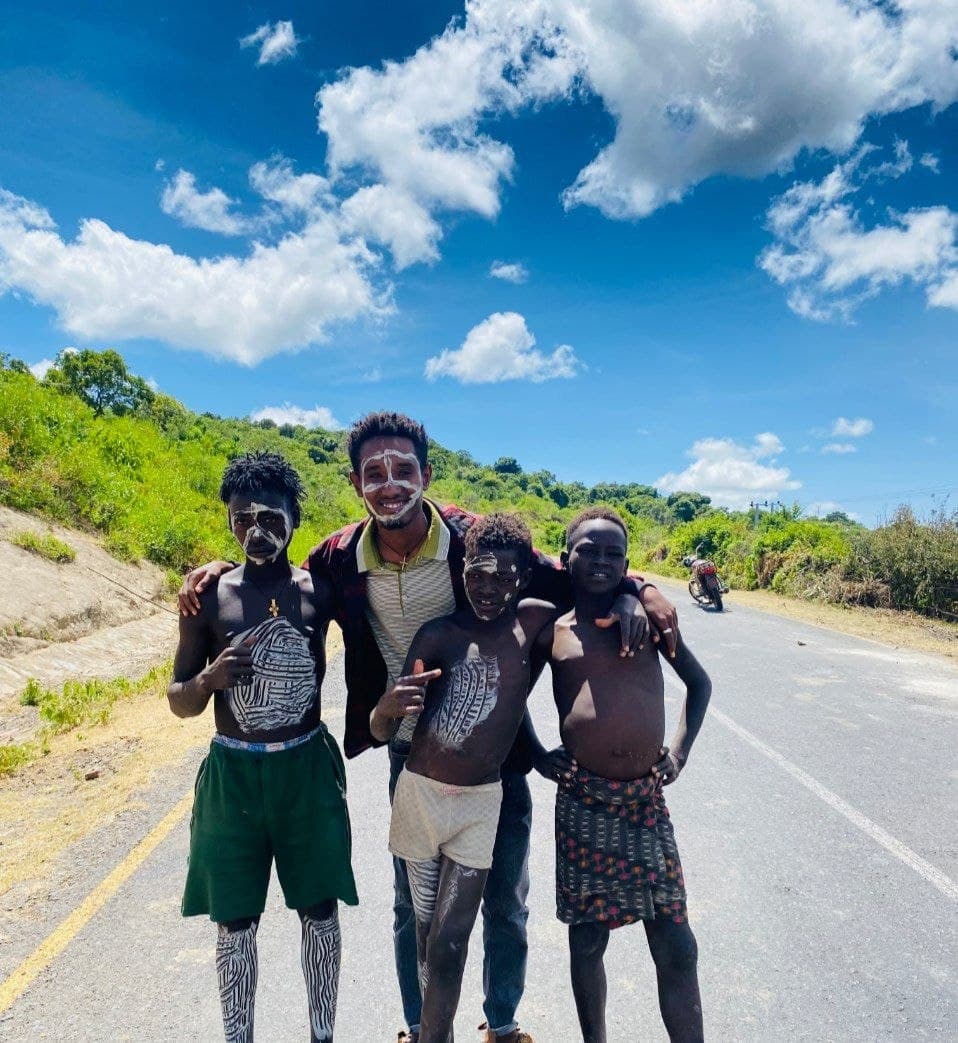
The Omo Valley is not just a destination—it's a journey back in time. Nestled in southwestern Ethiopia, this remote region is home to more than a dozen indigenous tribes who continue to live as their ancestors did, preserving traditions that have all but disappeared elsewhere in Africa.
Why the Omo Valley is Unique
What makes the Omo Valley truly special is its authenticity. These aren't performances staged for tourists—these are real people living real lives. The women of the Hamar tribe still coat their hair with ochre and butter in intricate styles that can take hours to complete. The Mursi women still wear lip plates, a tradition that marks beauty and social status. The Karo people still paint their bodies with elaborate designs using natural pigments for ceremonies and celebrations.
As a guide from Temu Travel Ethiopia, born and raised in southern Ethiopia, I've had the privilege of building relationships with these communities over many years. Every visit reminds me how important it is to approach with respect, humility, and genuine curiosity.
The Tribes You'll Meet
Hamar Tribe
The Hamar are known for their elaborate hairstyles and the famous bull jumping ceremony (Ukuli Bula). When a young man comes of age, he must run across the backs of a line of cattle—naked—to prove his worth and transition to adulthood. Women of the tribe encourage him by dancing and blowing horns, sometimes offering to be whipped as a sign of devotion.
Mursi Tribe
Perhaps the most photographed tribe in Ethiopia, the Mursi are famous for the clay lip plates worn by women. Girls have their lower lip pierced at age 15-16, and over time, progressively larger plates are inserted. This tradition signifies beauty, identity, and social standing. Visiting a Mursi village offers insight into their pastoral lifestyle, cattle herding, and social structures.
Karo Tribe
The Karo are masters of body art. Using white chalk, yellow mineral rock, iron ore, and charcoal, they create stunning geometric designs on their faces, chests, and arms. Living along the Omo River, they are also skilled fishermen and farmers. The views from their villages across the river are among the most spectacular in the valley.
Konso People
The Konso are recognized by UNESCO for their remarkable cultural landscape—a testament to 400 years of terraced agriculture and fortified hilltop villages. Their wooden totems (waka) honor fallen heroes, and their age-grade social system is one of the most complex in Africa. A visit to a Konso village reveals ingenious engineering and deep spiritual beliefs.
Responsible Tourism Matters
Visiting indigenous communities requires sensitivity and respect. Here are our guidelines:
- Always ask permission before taking photographs
- Listen to your guide—they know the local protocols
- Dress modestly out of respect for local customs
- Pay fair fees for photography (usually 5-10 birr per person)
- Never give gifts directly to children—this encourages dependency. Give to community elders instead
Best Time to Visit
The Omo Valley can be visited year-round, but the best times are during the dry seasons: June to September and December to February. During these months, roads are accessible, tribal markets are more active, and the landscape is at its most beautiful.
Practical Tips for Your Visit
- Bring plenty of small bills for photography fees
- Carry sunscreen, a hat, and plenty of water
- Expect basic accommodation—this is a remote area
- Travel with a reputable local guide who speaks tribal languages
- Be patient and respectful—these are people, not exhibits
- Bring a good camera with extra batteries
Why Travel with Temu Travel Ethiopia?
As a local tour operator based in Arba Minch, we have spent years building relationships with the communities of the Omo Valley. Our guides speak the local languages, understand cultural protocols, and ensure that your visit benefits the people you meet through fair compensation. We practice responsible tourism because we believe that travel should empower, not exploit.
Ready to experience the living cultures of Ethiopia's Omo Valley? Contact us to plan your authentic cultural adventure.
Comments (0)
Login to join the discussion